Business License

How to Pack a Storage Locker Safely?
In the logistics and export trade of lockers, ensuring that products remain intact during long-distance transport is the top concern for every manufacturer and buyer. Standard cardboard boxes are often unable to withstand the jolts and handling involved in long-distance ocean shipping.
Today, based on our professional locker packaging process (HPL LOCKER PACKAGING PROCESS), we’ll break down the “5 Core Steps of Layered Protection” in detail and show you how to achieve standard packaging for safe handling and export delivery.
Wooden Pallet Base
Instructions: Place the assembled storage cabinet steadily on a sturdy wooden pallet.
Key Function: Provides stable support from below. This not only protects the cabinet but also facilitates subsequent handling and forklift operations, ensuring the cabinet does not tip over due to an unstable center of gravity during loading and unloading.
Paper Corner Protection
Procedure: Install sturdy paper corner protectors on the four exposed corners of the storage cabinet.
Key Function: The corners are the most vulnerable parts of the cabinet and are most prone to bumps and scrapes during transport. Paper corner protectors effectively absorb impact, protecting the four corners of the cabinet from damage and maintaining its appearan.
PE Stretch Wrap
Procedure: Tightly wrap the exterior of the cabinet—which has been fitted with corner protectors—using PE stretch wrap.
Key Function: This securely binds the cabinet, corner protectors, and pallet together, significantly reducing shaking and shifting during transport. Additionally, the stretch wrap provides some protection against water and dust, safeguarding the cabinet’s surface.
Bubble Wrap Protection
Procedure: Wrap a layer of bubble wrap over the stretch film.
Key Function: Provides an additional cushioning layer. Bubble wrap effectively absorbs external impacts and prevents scratches and impact damage caused by friction during handling and transportatio
Plywood Crate Packaging
Procedure: Finally, place the fully wrapped storage cabinet into a custom-made plywood crate and complete the final sealing of the crate.
Key Function: This provides the ultimate protection for export. Plywood crates offer extremely high compressive strength and moisture resistance, making them perfectly suited for complex international logistics environments such as ocean and land transport, ensuring the product arrives at its destination in optimal condition.
The export packaging of storage lockers —especially those with HPL surfaces—is by no means as simple as “just putting them in a bag.” From the pallet at the bottom to the outer plywood crate, every step is designed to address specific shipping risks. This standardized “layered protection” process minimizes damage during logistics and safeguards your business interests.
If you have bulk purchase or export needs for storage lockers, be sure to choose a supplier with this level of professional packaging expertise!
Recently Posted
-
How to choose partitions for public restrooms in commercial places?
October 20, 2026In the design of commercial spaces, the bathroom is often the most easily overlooked but most reflective “hidden corner” of manage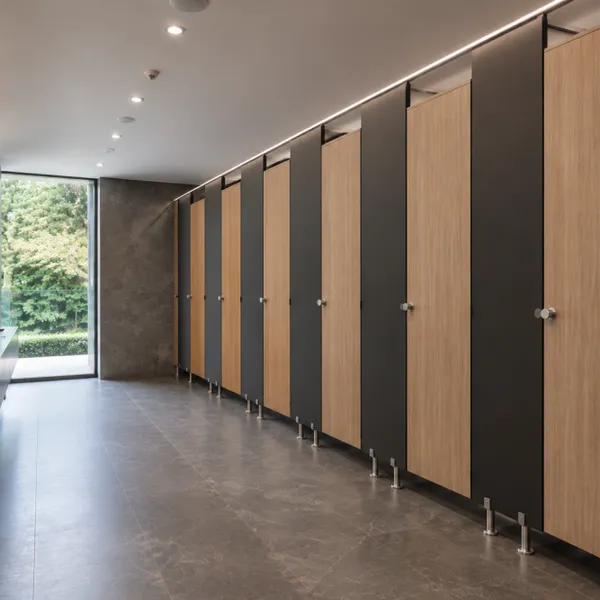 Read More
-
Changing Room Locker Design Guidelines: The Scientific Selection of Safety, Hygiene and Materials
October 20, 2026As a manufacturer specialising in public changing room lockers, we understand the critical importance of design details to user ex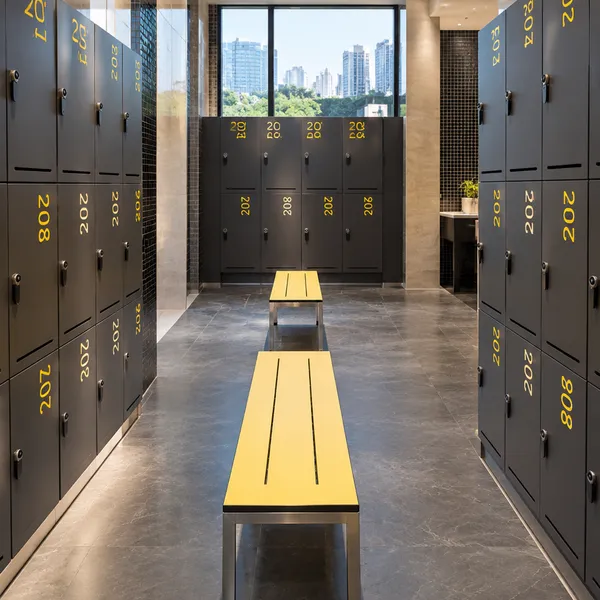 Read More
-
Why Public Changing Rooms Prefer HPL long Benches
September 29, 2026We are a factory specializing in manufacturing HPL Long bench for public spaces. Every day, we think and refine how to make infras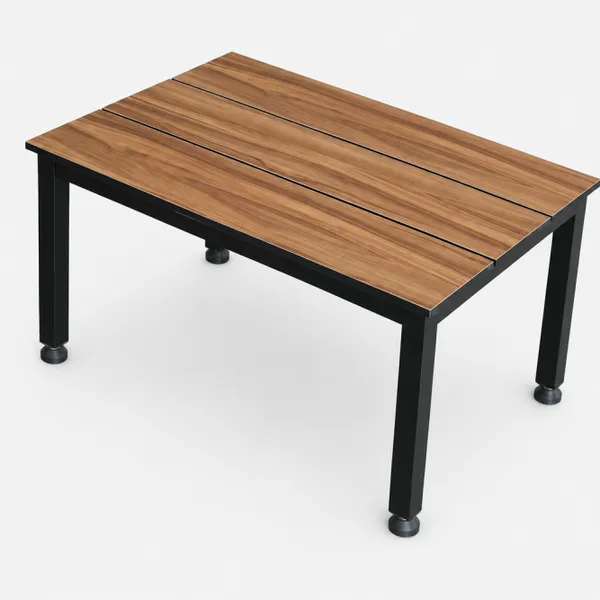 Read More
-
Why Public Changing Rooms Prefer HPL long Benches
September 29, 2026Hello, we are a factory specializing in manufacturing HPL Long bench for public spaces. Every day, we think and refine how to make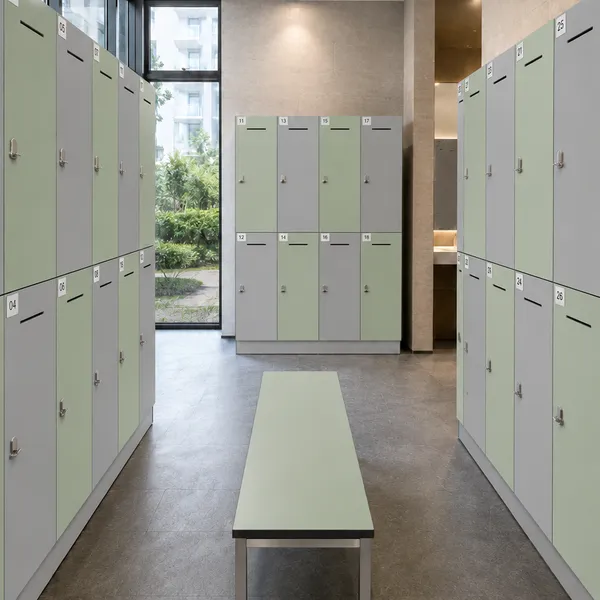 Read More

Contact Us
Recommended Products
-
 Bathroom Toilet Room Partitions Phenolic Resin Board Panel Office Toilet Cubicles for SaleUS$ 114 - 285MOQ: 1 Set
-
Hpl Bathroom Partitions System Compact Board Toilet Cubicle Commercial Bathroom Partition Stall DoorsUS$ 114 - 285MOQ: 1 Set
-
Modern Design Toilet Partition Compact Laminate Materials For Shopping MallUS$ 114 - 285MOQ: 1 Set
-
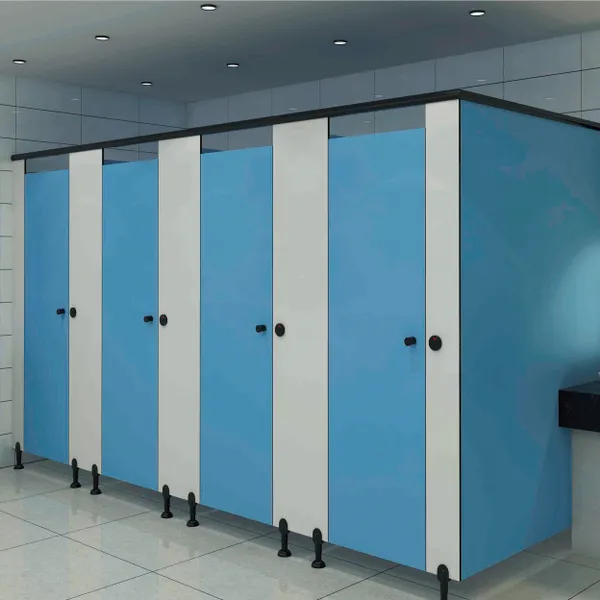
Durable Waterproof HPL Board Toilet Partition Bathroom PartitionUS$ 114 - 285MOQ: 1 Set
-
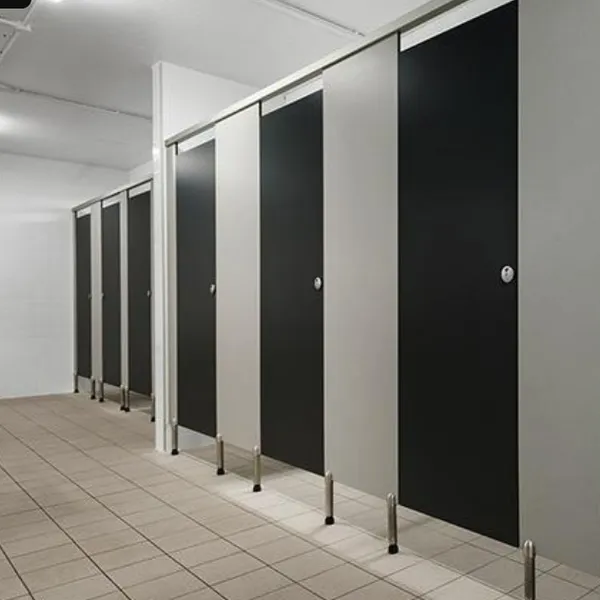
Waterproof Economical Compact Laminate Partition for Train Station RestroomsUS$ 114 - 285MOQ: 1 Set
-
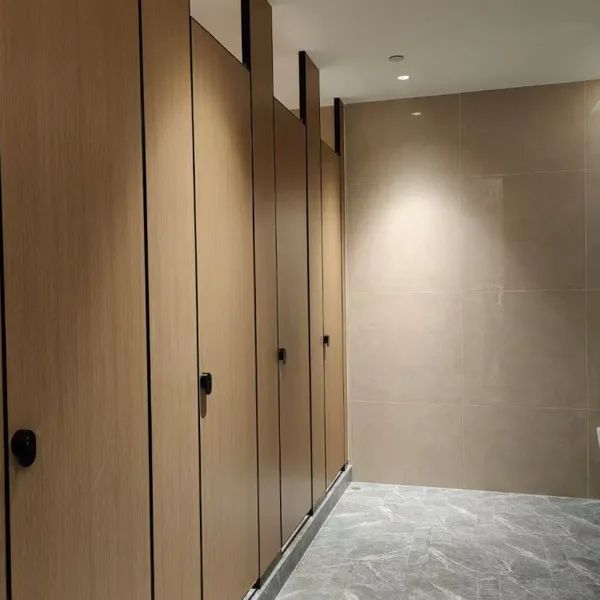
Toilet Cubicle Modular Wood Bathroom Partitions Toilet Phenolic Cubicle Compact BoardUS$ 114 - 285MOQ: 1 Set
-
Toilet Partition Waterproof Changing Room Spa Public Toilet Partition SystemUS$ 114 - 285MOQ: 1 Set
-
Commercial Hpl Colorful Public Compact Laminate Washroom Toilet Cubicle for SaleUS$ 114 - 285MOQ: 1 Set
-
HPL Compact Board Washroom Toilet Partition Bathroom Cubicle Material Stalls Cubicles PriceUS$ 114 - 285MOQ: 1 Set
-
Manufacturers Phenolic Toilet Partitions Door Modular Gym Room Shower Toilet CubiclesUS$ 114 - 285MOQ: 1 Set
-
Waterproof Compact Laminated Hpl Toilet Partition CubiclesUS$ 114 - 285MOQ: 1 Set
-
Waterproof HPL Board Public Toilet Cubicles Door Panels Partition Toilets for HotelUS$ 114 - 285MOQ: 1 Set
-
Hotel Washroom HPL Board Economic Grade Toilet Cubicle DesignUS$ 114 - 285MOQ: 1 Set
-
Waterproof HPL Bathroom Compact Laminate Toilet Cubicle ManufacturersUS$ 114 - 285MOQ: 1 Set
-
Customized Size Modular Private Toilet Partition Bathroom PartitionUS$ 114 - 285MOQ: 1 Set
-
Phenolic Compact Laminate Hpl High Pressure wc Door Toilet & Shower Toilet Cubicle Partition for SaleUS$ 114 - 285MOQ: 1 Set
-
HPL Toilet Cubicle Partition Board Compact Laminate Bathroom PartitionUS$ 114 - 285MOQ: 1 Set
-
12mm HPL Toilet Partition Wall Panel for BathroomUS$ 114 - 285MOQ: 1 Set
-
Professional Waterproof Phenolic Compact Toilet Cubicle PartitionUS$ 114 - 285MOQ: 1 Set
-
Commercial High End Modern Design HPL Toilet Cubicle Price Bathroom PartitionUS$ 114 - 285MOQ: 1 Set