Business License

Enhancing Campus Spaces: Why Orange Lockers Are Becoming a Strategic Choice for Modern Schools?
Walking down the corridors of many traditional schools, you’ll often see rows of gray metal lockers or gradually worn-out wooden storage lockers. These conventional storage solutions typically only meet basic storage needs while overlooking spatial aesthetics and student experience.
However, the design of campus infrastructure is undergoing a transformation. As shown in the illustration, this vibrant orange HPL (high-pressure laminate) storage locker system exemplifies a new trend in educational space design: the seamless integration of high-intensity practical functionality with striking visual appeal. Below are several key reasons why this solution deserves inclusion in modern campus upgrade plans.
Color Strategy: Beyond Pure Aesthetics
The high-saturation orange in the image serves as the absolute visual focal point of the entire space. In spatial design, color is not only about aesthetics but also directly influences the psychological state of users.
Boosting Energy: Orange is often associated with energy, warmth, and creativity. In highly focused learning environments for students, this color effectively breaks the monotony of space, creating a positive and vibrant atmosphere for them.
Efficient Visual Wayfinding: In the vast campus buildings, the bright orange color inherently serves as a “visual landmark.” It helps students quickly locate their storage areas and enhances spatial efficiency.
HPL material: suitable for high-frequency use
The school environment imposes extremely strict tests on furniture – high-frequency daily use, potential violent collisions, and pressure for cleaning and maintenance. This is exactly where the advantage of HPL (High Pressure Laminated) lies:
Excellent durability: HPL surface has extremely high hardness and wear resistance, which can effectively resist scratches, bumps, and even graffiti in daily use. Its long-lasting durability significantly reduces the school’s full lifecycle maintenance costs.Moisture proof and hygiene: Unlike wood that is prone to moisture and deformation, HPL material is completely waterproof, especially suitable for storing wet rain gear or sports equipment. At the same time, its dense surface is extremely easy to clean, and stains can be removed with a damp cloth, which helps maintain the hygiene standards of the campus.
Environmental safety: High quality HPL materials comply with strict environmental emission standards, ensuring indoor air quality.
Customized design: Design different sizes according to students’ needs to meet diverse storage requirements.
An excellent storage system is not just furniture used for “storing” items, but also an extension of campus culture, spatial aesthetics, and management efficiency. This orange HPL storage lockers solution strikes a perfect balance between striking visual design and sturdy and durable engineering materials.
If your institution is planning new campus construction, corridor renovation, or looking to enhance students’ daily experience, investing in a durable and brightly colored HPL storage lockers would be a wise decision that balances practicality and visual impact.
Recently Posted
-
How to design and manufacture a durable and attractive basketball locker?
November 19, 2026In modern sports facilities and professional basketball clubs, the function of changing rooms is of particular importance. Basketb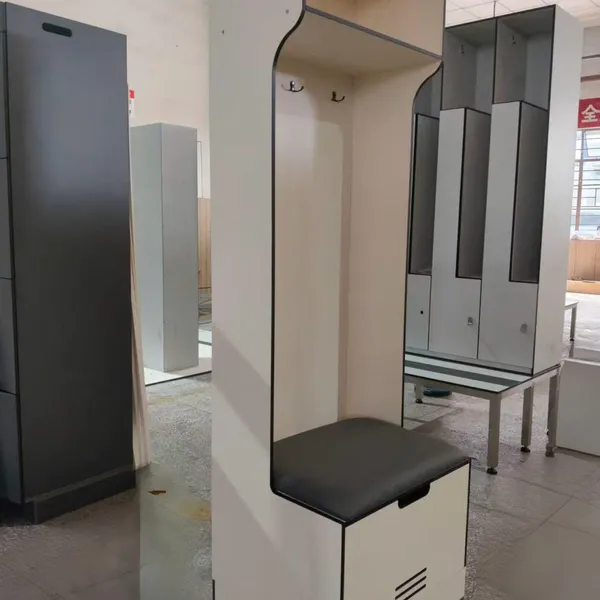 Read More
-
HPL toilet partitions: a durable partition material suitable for modern public toilets
November 17, 2026In modern commercial buildings, public toilets must not only meet basic functional requirements but also take into account durabil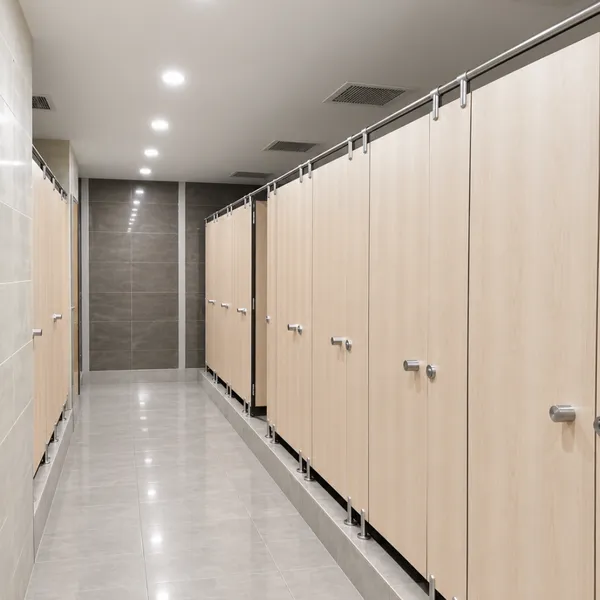 Read More
-
Stainless steel+HPL bench surface public changing room bench, combining durability and aesthetics
November 11, 2026What are the most common issues we encounter in public changing rooms at gyms, swimming pools, factories or schools? One of the mo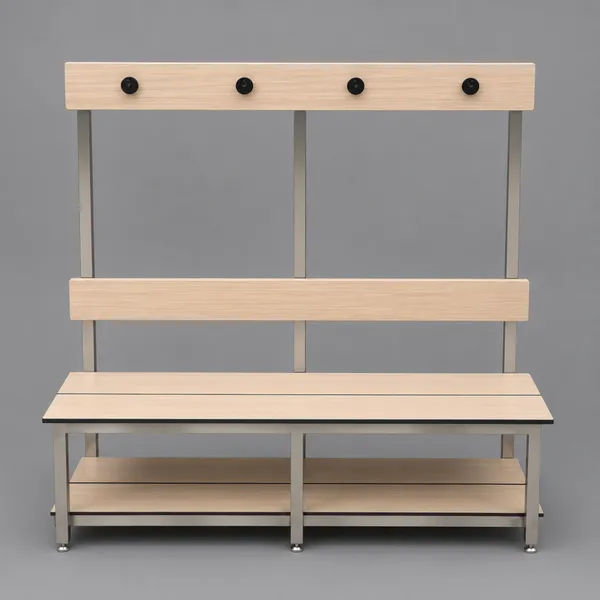 Read More
-
What is the construction of public toilet partitions?
November 5, 2026In modern public buildings, restroom partitions serve not only as essential infrastructure for functional zoning but also as a key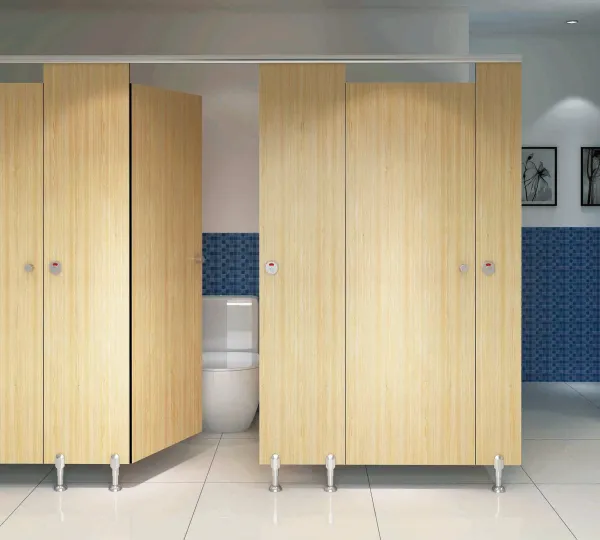 Read More

Contact Us
Recommended Products
-
 Bathroom Toilet Room Partitions Phenolic Resin Board Panel Office Toilet Cubicles for SaleUS$ 114 - 285MOQ: 1 Set
-
Hpl Bathroom Partitions System Compact Board Toilet Cubicle Commercial Bathroom Partition Stall DoorsUS$ 114 - 285MOQ: 1 Set
-
Modern Design Toilet Partition Compact Laminate Materials For Shopping MallUS$ 114 - 285MOQ: 1 Set
-
Durable Waterproof HPL Board Toilet Partition Bathroom PartitionUS$ 114 - 285MOQ: 1 Set
-
Waterproof Economical Compact Laminate Partition for Train Station RestroomsUS$ 114 - 285MOQ: 1 Set
-
Toilet Cubicle Modular Wood Bathroom Partitions Toilet Phenolic Cubicle Compact BoardUS$ 114 - 285MOQ: 1 Set
-
Toilet Partition Waterproof Changing Room Spa Public Toilet Partition SystemUS$ 114 - 285MOQ: 1 Set
-
Commercial Hpl Colorful Public Compact Laminate Washroom Toilet Cubicle for SaleUS$ 114 - 285MOQ: 1 Set
-
HPL Compact Board Washroom Toilet Partition Bathroom Cubicle Material Stalls Cubicles PriceUS$ 114 - 285MOQ: 1 Set
-
Manufacturers Phenolic Toilet Partitions Door Modular Gym Room Shower Toilet CubiclesUS$ 114 - 285MOQ: 1 Set
-
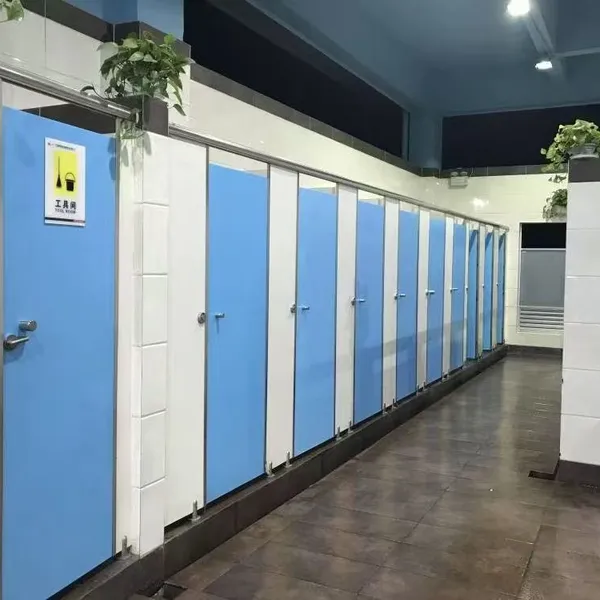
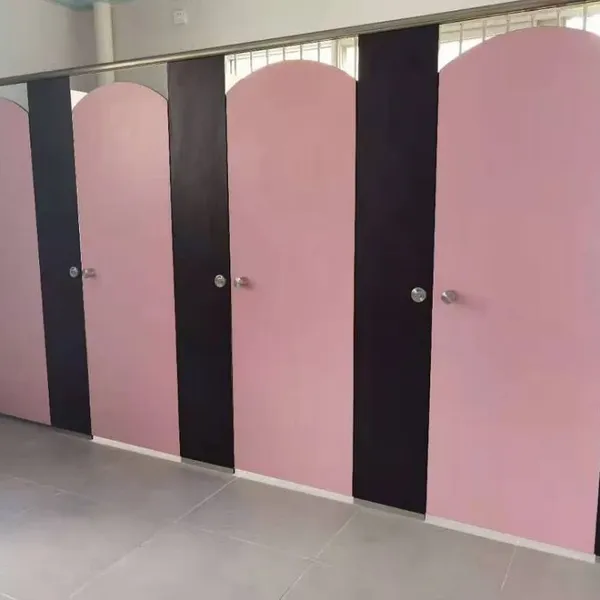
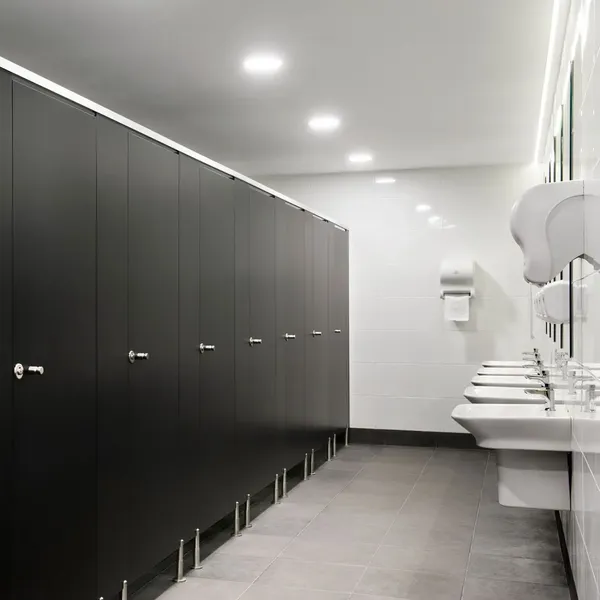
Waterproof Compact Laminated Hpl Toilet Partition CubiclesUS$ 114 - 285MOQ: 1 Set
-
Waterproof HPL Board Public Toilet Cubicles Door Panels Partition Toilets for HotelUS$ 114 - 285MOQ: 1 Set
-
Hotel Washroom HPL Board Economic Grade Toilet Cubicle DesignUS$ 114 - 285MOQ: 1 Set
-
Waterproof HPL Bathroom Compact Laminate Toilet Cubicle ManufacturersUS$ 114 - 285MOQ: 1 Set
-
Customized Size Modular Private Toilet Partition Bathroom PartitionUS$ 114 - 285MOQ: 1 Set
-
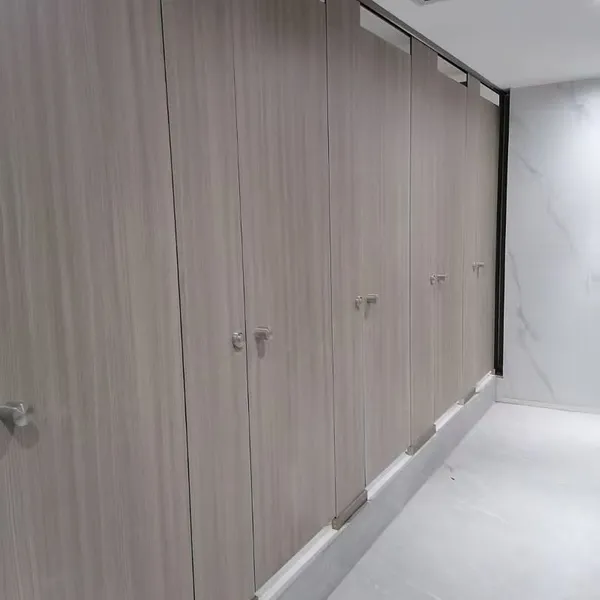
Phenolic Compact Laminate Hpl High Pressure wc Door Toilet & Shower Toilet Cubicle Partition for SaleUS$ 114 - 285MOQ: 1 Set
-
HPL Toilet Cubicle Partition Board Compact Laminate Bathroom PartitionUS$ 114 - 285MOQ: 1 Set
-
12mm HPL Toilet Partition Wall Panel for BathroomUS$ 114 - 285MOQ: 1 Set
-
Professional Waterproof Phenolic Compact Toilet Cubicle PartitionUS$ 114 - 285MOQ: 1 Set
-
Commercial High End Modern Design HPL Toilet Cubicle Price Bathroom PartitionUS$ 114 - 285MOQ: 1 Set