Business License

HPL toilet partitions: a durable partition material suitable for modern public toilets
In modern commercial buildings, public toilets must not only meet basic functional requirements but also take into account durability, hygiene standards, day-to-day maintenance and overall spatial design.
Whether in shopping centres, office blocks, hotels, schools or gyms, toilet partitions are a vital component of public toilets. Among the many materials available for partitions, HPL (High-Pressure Laminate) has become one of the most widely used materials for public toilet partitions due to its excellent durability, moisture resistance and wide range of surface designs.
So, what are the advantages of HPL toilet partitions? And in which settings are they best suited for use?
1. What are HPL materail toilet cubicles?
HPL, which stands for High-Pressure Laminate, is a decorative panel manufactured using a high-temperature, high-pressure process.
It features a high density and a robust surface structure, enabling it to meet the requirements for material durability and routine maintenance in public toilets.
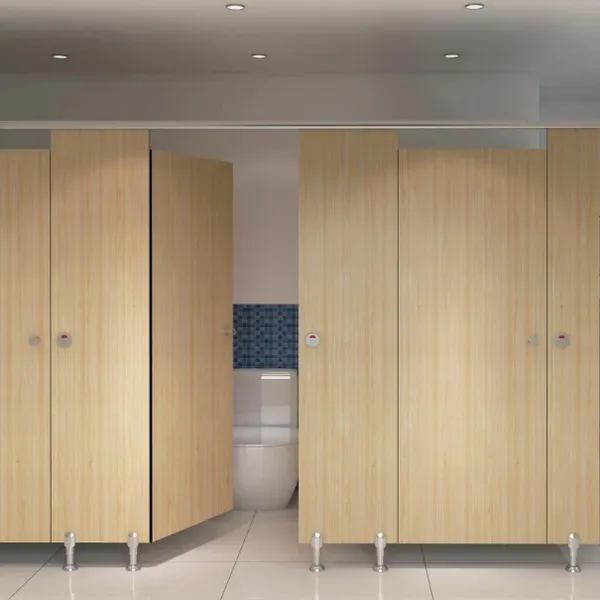
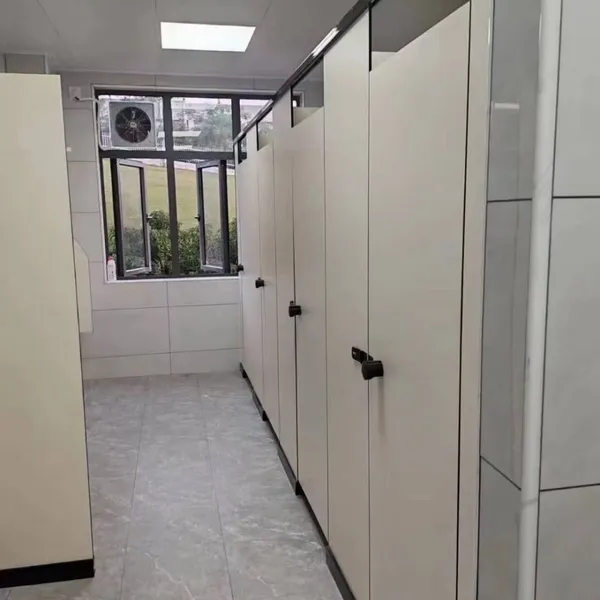
HPL toilet partitions typically consist of door panels, partition panels, uprights, feet and the corresponding fittings. Depending on the specific project requirements, different panel thicknesses, colours, surface textures and installation methods can be selected.
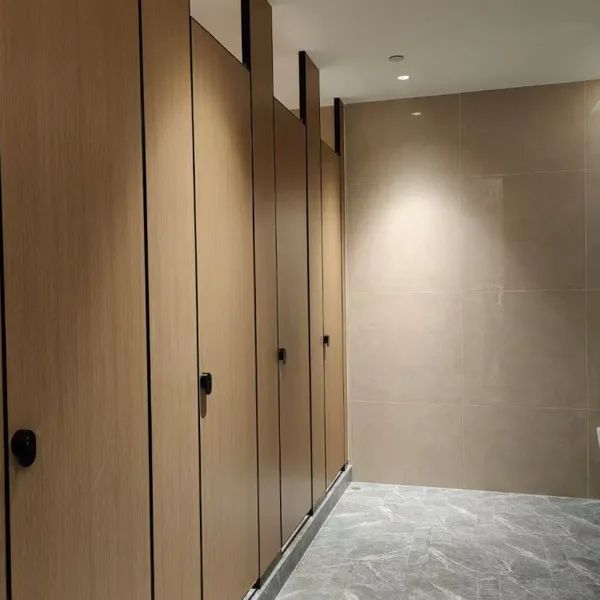
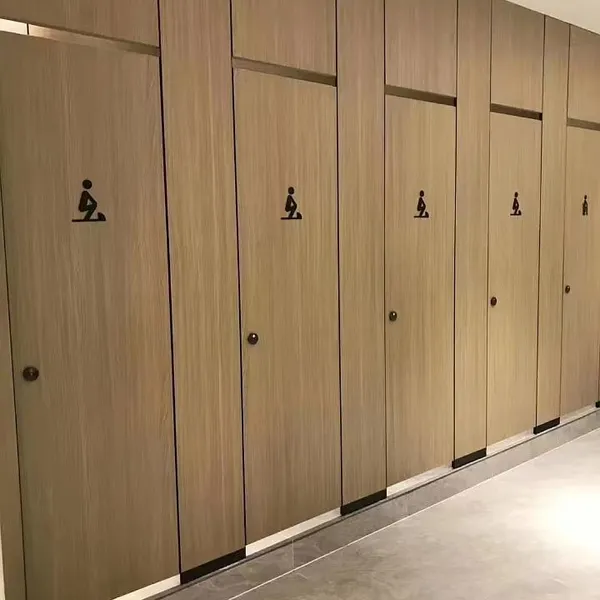
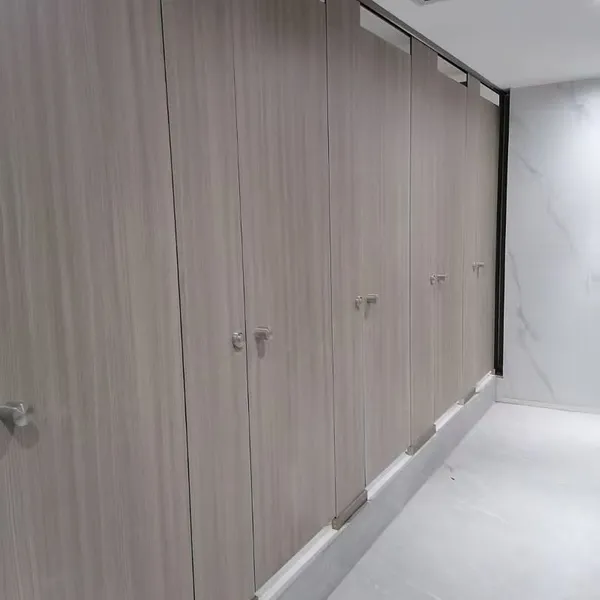
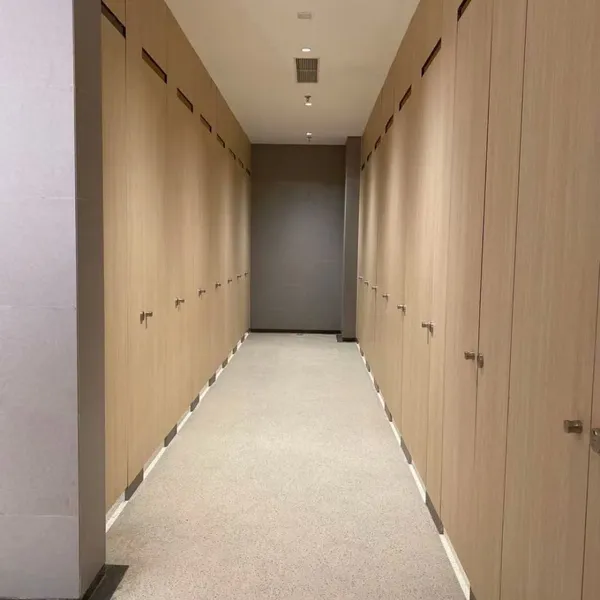
For example, wood-grain HPL partitions can lend public toilets a more natural and warm visual appeal, whilst retaining the practical performance required of commercial toilet facilities.
2. Why is HPL suitable for use in public toilets?
Public toilets are typically subject to high usage, so partition materials must possess excellent overall performance.
Good moisture resistance
Toilets are constantly exposed to a damp environment, and floor cleaning and daily water use further increase the likelihood of the panels coming into contact with moisture. HPL offers excellent moisture resistance, making it suitable for use in public toilet partitions.
It is important to note that the cut edges, joints and installation details of the panels must also be properly addressed to ensure long-term performance.
Wear-resistant and suitable for daily use
In venues such as shopping centres, airports, schools and gyms, toilets are used by large numbers of people every day. Partition door panels must withstand frequent opening and closing, as well as daily contact and cleaning.
HPL offers good surface wear resistance and is well-suited to the demands of daily use in public spaces.
Easy to clean and maintain
Public toilets require regular cleaning. As the HPL surface is relatively smooth, it can be cleaned daily using suitable cleaning products and a soft cloth, which helps to keep the partition surfaces looking neat and tidy.
Wide range of colours and surface finishes
Modern commercial spaces are placing increasing emphasis on the overall design of toilet facilities.
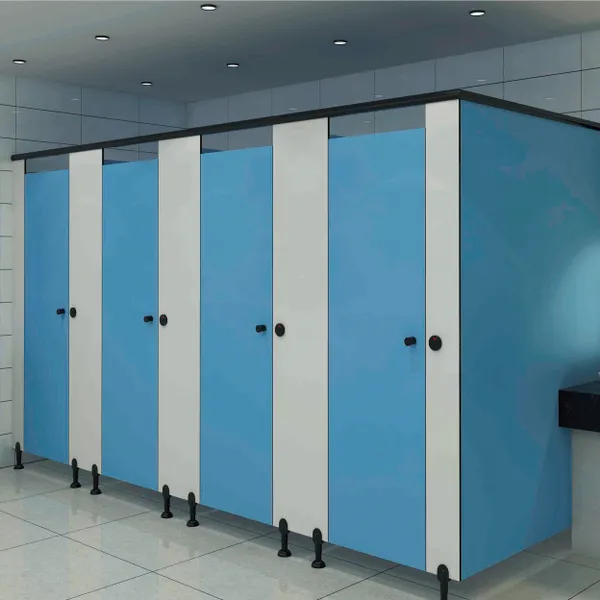
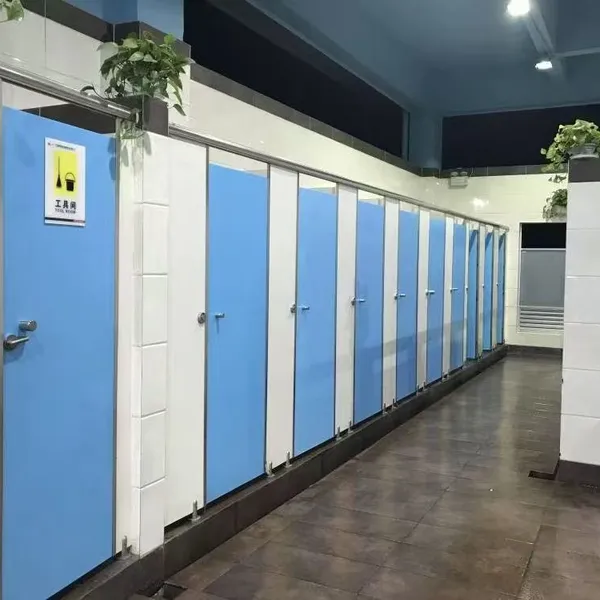
HPL offers a wide range of colours and surface textures, including solid colours, wood grains and stone patterns. Designers can select suitable combinations to complement the flooring, walls and overall décor style.
For example, light wood-grain HPL partitions can be paired with grey tiles, metal fittings and minimalist lighting, making them ideal for modern hotels, office blocks and commercial buildings.
3. Where are HPL toilet partitions suitable for use?
HPL toilet partitions have a wide range of applications and can be designed and installed to meet the requirements of different building projects.
1.Shopping centres and commercial complexes
Public toilets in shopping centres are typically subject to high usage and must balance durability, ease of cleaning and maintenance, and the overall aesthetic of the fit-out. HPL partitions offer a variety of colour and surface options, making them suitable for the design requirements of different commercial spaces.
2.Hotels and office buildings
Hotels and high-end office buildings generally place greater emphasis on the overall visual appeal of their toilets. HPL panels featuring wood grain, stone grain and neutral colours blend naturally with modern interior design styles.
3.Schools and Educational Institutions
When designing school toilets, it is important to consider the frequency of daily use, the durability of materials and future maintenance requirements. HPL partitions can be customised in terms of size and colour to meet the specific needs of different areas.
4.Gyms and Sports Venues
Changing rooms and toilet facilities in gyms, swimming pools and sports venues are typically subject to damp conditions and heavy use. HPL is a suitable material for toilet partition systems in such commercial projects.
5.Airports, Stations and Public Facilities.
Airports, transport hubs and other public buildings place high demands on the durability and ease of maintenance of toilet partitions. A well-designed HPL partition system is capable of meeting the day-to-day requirements of these venues.
4. Colour and Design Options for HPL Toilet Partitions
In addition to material properties, the colour and overall design of the partitions are also factors to be considered in commercial projects.
Different colour combinations can create different spatial effects:
Light wood grain: Suitable for modern hotels, office buildings and commercial toilets, creating a natural, neat visual effect.
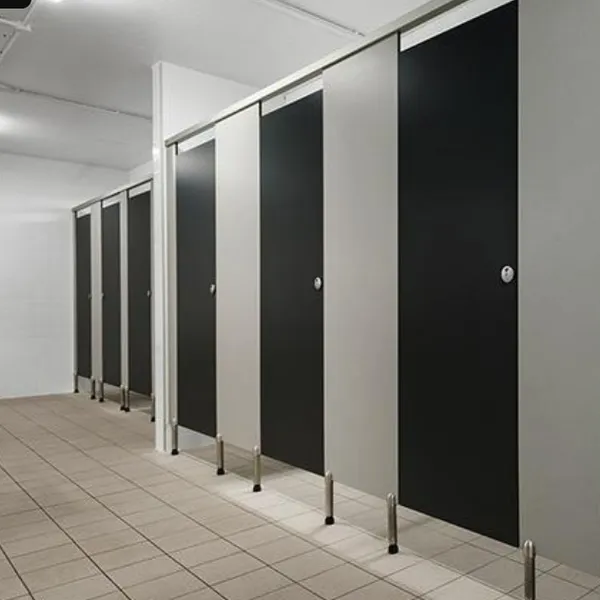
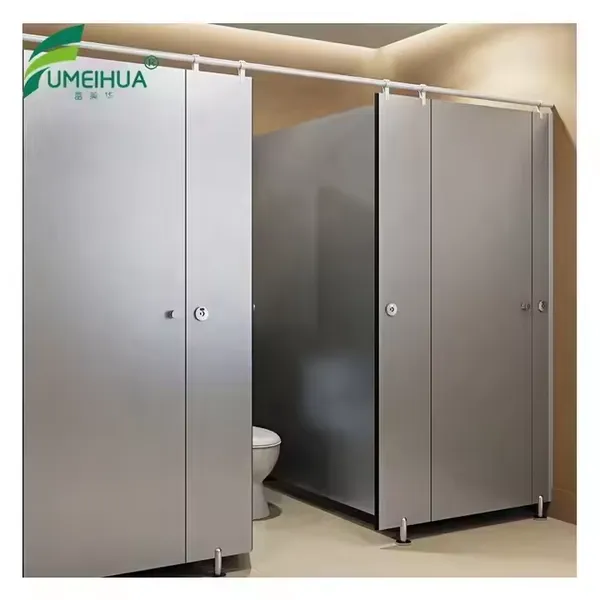
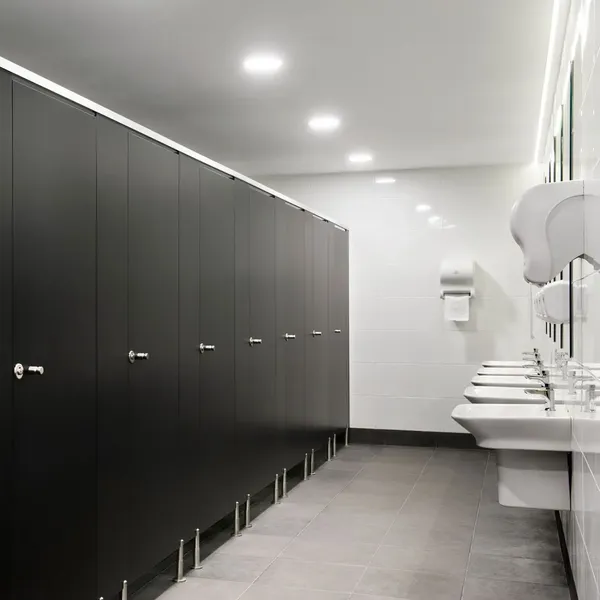
Iron grey: Suitable for commercial spaces with a modern industrial or minimalist style.
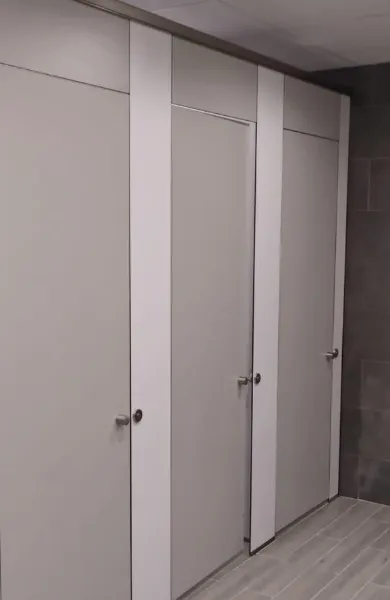
White and light grey: Suitable for public toilets where brightness and simplicity are emphasised.
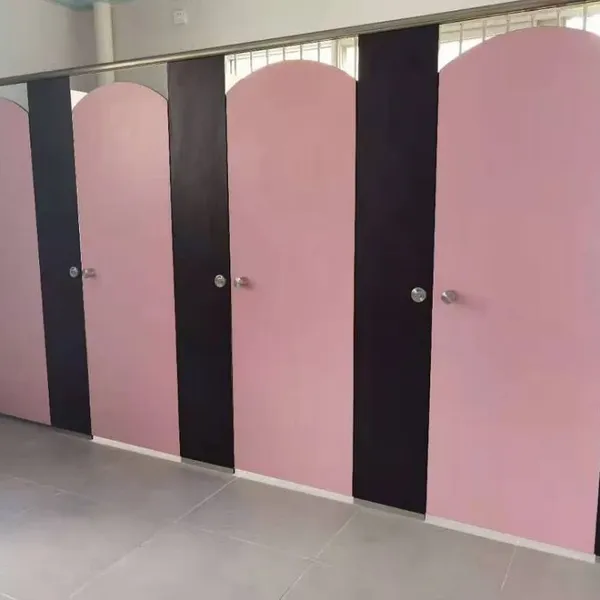
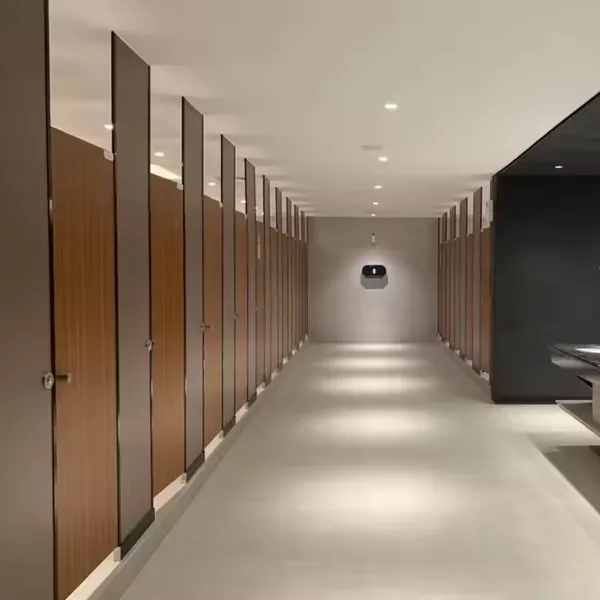
Combination of dark colours and wood grain: Suitable for commercial projects seeking to add depth to modern designs.
HPL toilet partitions are a practical material suitable for a wide range of public and commercial spaces. They combine durability, moisture resistance, ease of maintenance and design flexibility, meeting the diverse needs of shopping centres, hotels, schools, office buildings, gyms and other public buildings.
If you are seeking a toilet partition solution for a commercial building or public facility project, HPL partitions are well worth considering.
By selecting the appropriate panels, structures and colour schemes, toilet partitions can meet the demands of daily use whilst maintaining harmony with the overall architectural space.
Recently Posted
-
How to design and manufacture a durable and attractive basketball locker?
November 19, 2026In modern sports facilities and professional basketball clubs, the function of changing rooms is of particular importance. Basketb Read More
-
Stainless steel+HPL bench surface public changing room bench, combining durability and aesthetics
November 11, 2026What are the most common issues we encounter in public changing rooms at gyms, swimming pools, factories or schools? One of the mo Read More
-
Enhancing Campus Spaces: Why Orange Lockers Are Becoming a Strategic Choice for Modern Schools?
November 11, 2026Walking down the corridors of many traditional schools, you’ll often see rows of gray metal lockers or gradually worn-out wooden s Read More
-
What is the construction of public toilet partitions?
November 5, 2026In modern public buildings, restroom partitions serve not only as essential infrastructure for functional zoning but also as a key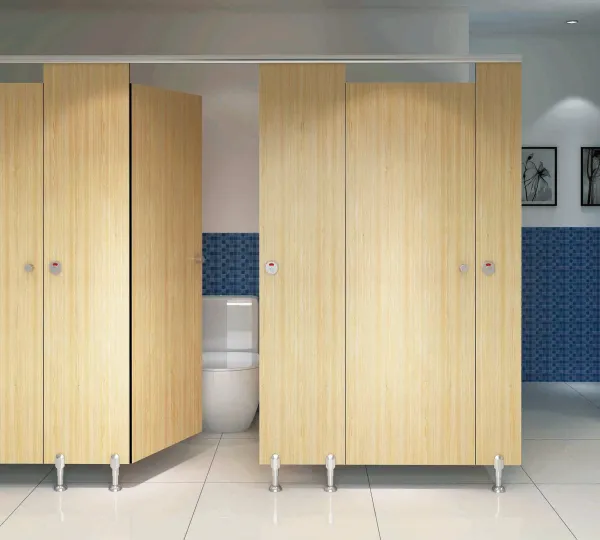 Read More

Contact Us
Recommended Products
-
 Bathroom Toilet Room Partitions Phenolic Resin Board Panel Office Toilet Cubicles for SaleUS$ 114 - 285MOQ: 1 Set
-
Hpl Bathroom Partitions System Compact Board Toilet Cubicle Commercial Bathroom Partition Stall DoorsUS$ 114 - 285MOQ: 1 Set
-
Modern Design Toilet Partition Compact Laminate Materials For Shopping MallUS$ 114 - 285MOQ: 1 Set
-
Durable Waterproof HPL Board Toilet Partition Bathroom PartitionUS$ 114 - 285MOQ: 1 Set
-
Waterproof Economical Compact Laminate Partition for Train Station RestroomsUS$ 114 - 285MOQ: 1 Set
-
Toilet Cubicle Modular Wood Bathroom Partitions Toilet Phenolic Cubicle Compact BoardUS$ 114 - 285MOQ: 1 Set
-
Toilet Partition Waterproof Changing Room Spa Public Toilet Partition SystemUS$ 114 - 285MOQ: 1 Set
-
Commercial Hpl Colorful Public Compact Laminate Washroom Toilet Cubicle for SaleUS$ 114 - 285MOQ: 1 Set
-
HPL Compact Board Washroom Toilet Partition Bathroom Cubicle Material Stalls Cubicles PriceUS$ 114 - 285MOQ: 1 Set
-
Manufacturers Phenolic Toilet Partitions Door Modular Gym Room Shower Toilet CubiclesUS$ 114 - 285MOQ: 1 Set
-
Waterproof Compact Laminated Hpl Toilet Partition CubiclesUS$ 114 - 285MOQ: 1 Set
-
Waterproof HPL Board Public Toilet Cubicles Door Panels Partition Toilets for HotelUS$ 114 - 285MOQ: 1 Set
-
Hotel Washroom HPL Board Economic Grade Toilet Cubicle DesignUS$ 114 - 285MOQ: 1 Set
-
Waterproof HPL Bathroom Compact Laminate Toilet Cubicle ManufacturersUS$ 114 - 285MOQ: 1 Set
-
Customized Size Modular Private Toilet Partition Bathroom PartitionUS$ 114 - 285MOQ: 1 Set
-
Phenolic Compact Laminate Hpl High Pressure wc Door Toilet & Shower Toilet Cubicle Partition for SaleUS$ 114 - 285MOQ: 1 Set
-
HPL Toilet Cubicle Partition Board Compact Laminate Bathroom PartitionUS$ 114 - 285MOQ: 1 Set
-
12mm HPL Toilet Partition Wall Panel for BathroomUS$ 114 - 285MOQ: 1 Set
-
Professional Waterproof Phenolic Compact Toilet Cubicle PartitionUS$ 114 - 285MOQ: 1 Set
-
Commercial High End Modern Design HPL Toilet Cubicle Price Bathroom PartitionUS$ 114 - 285MOQ: 1 Set